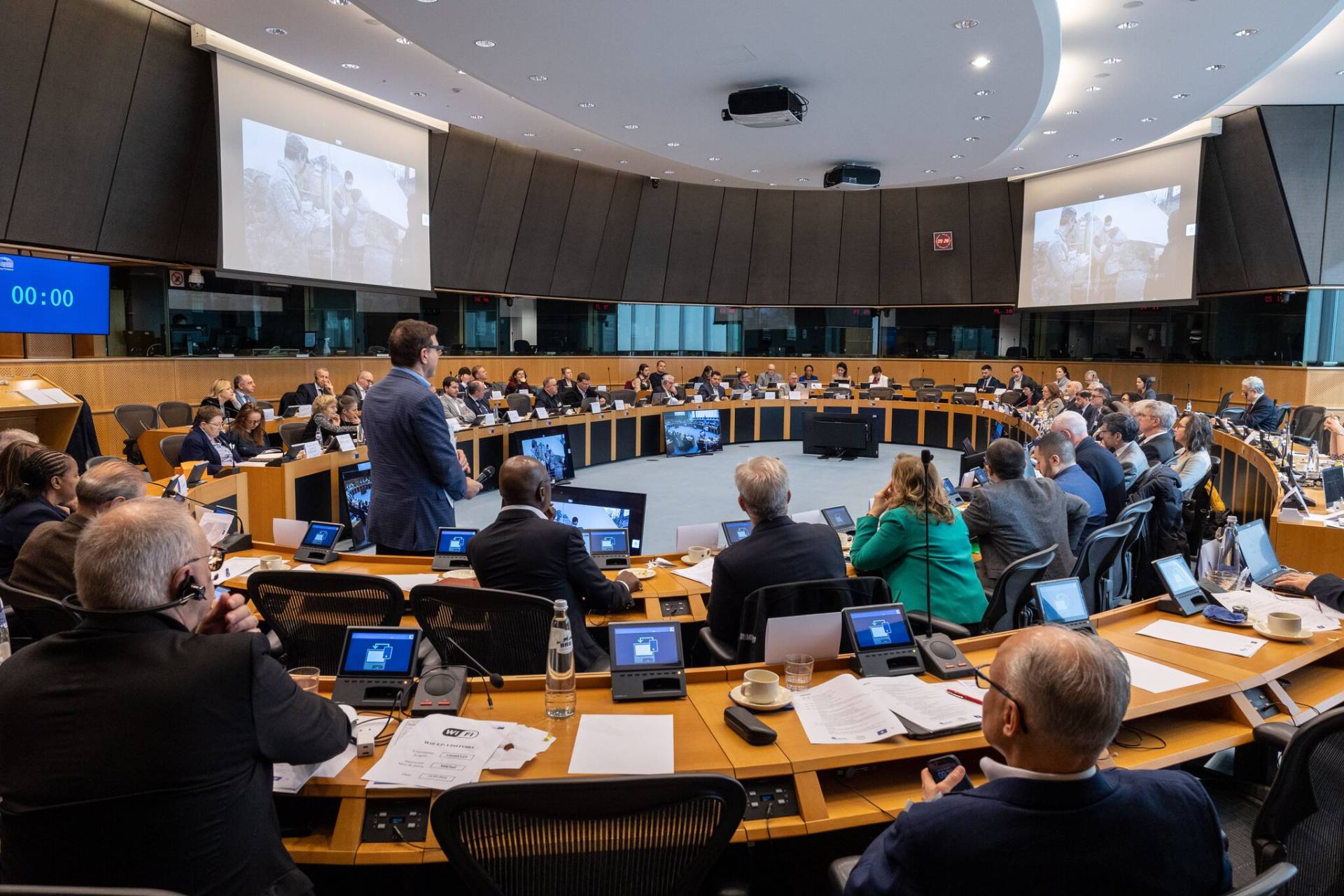
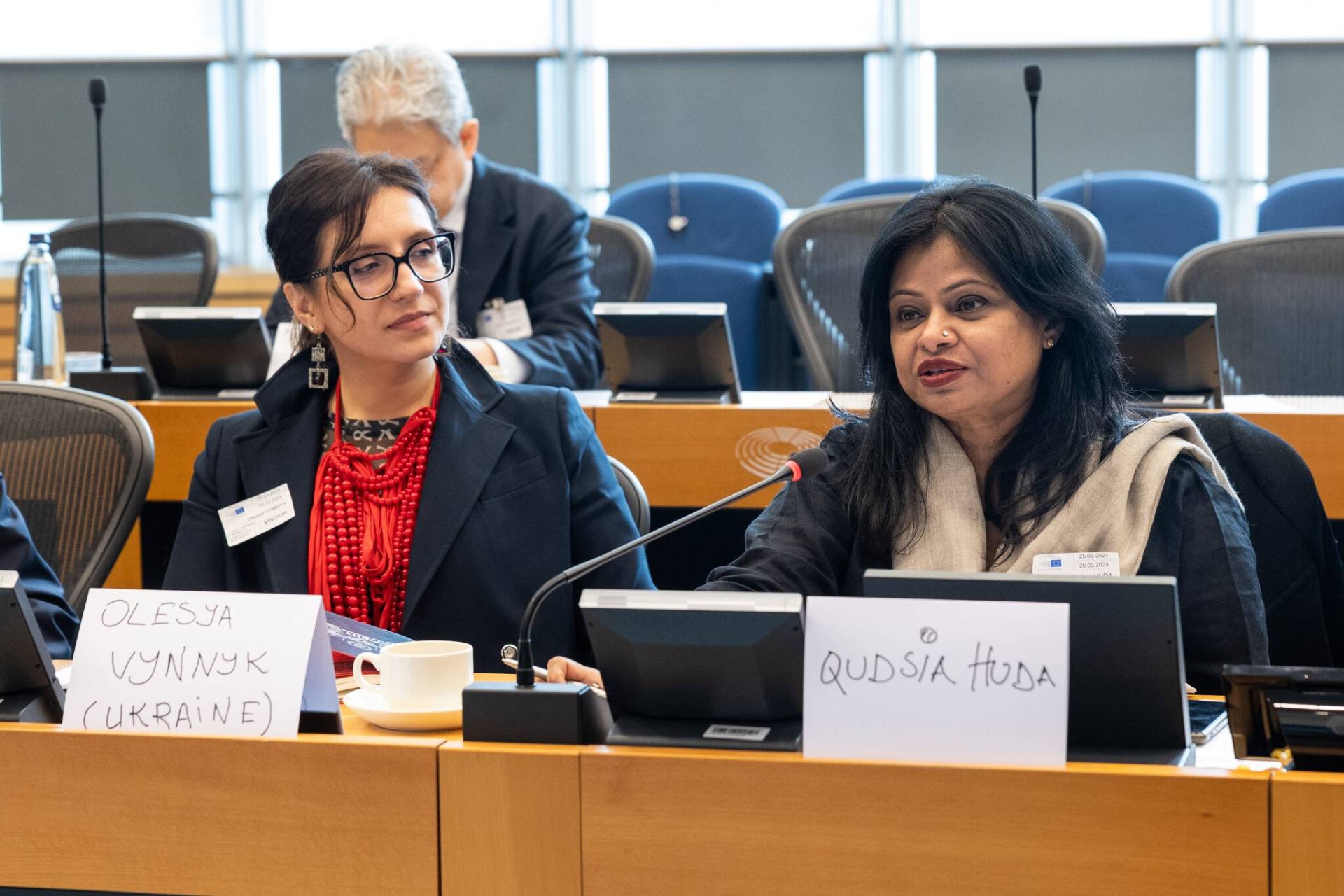
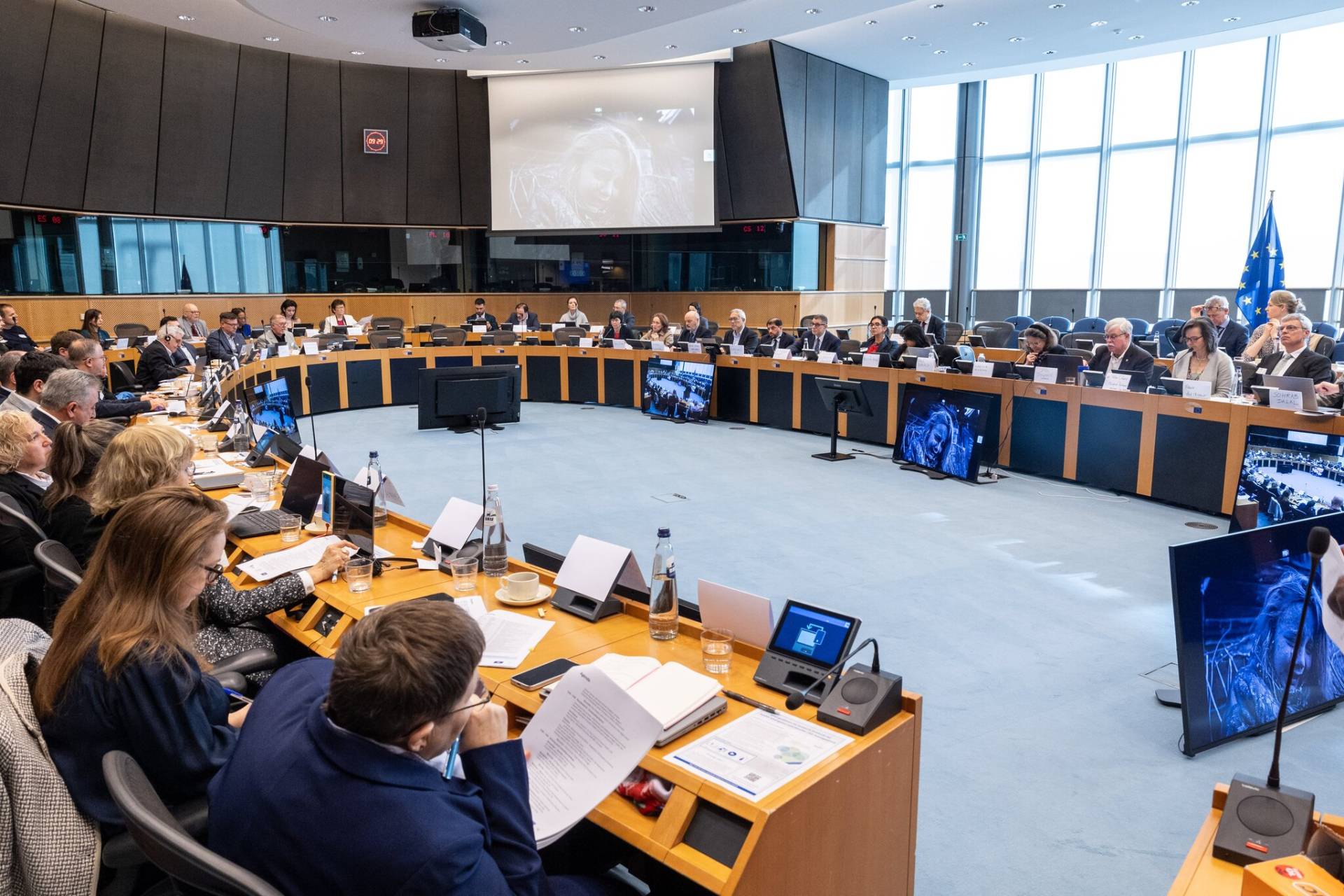
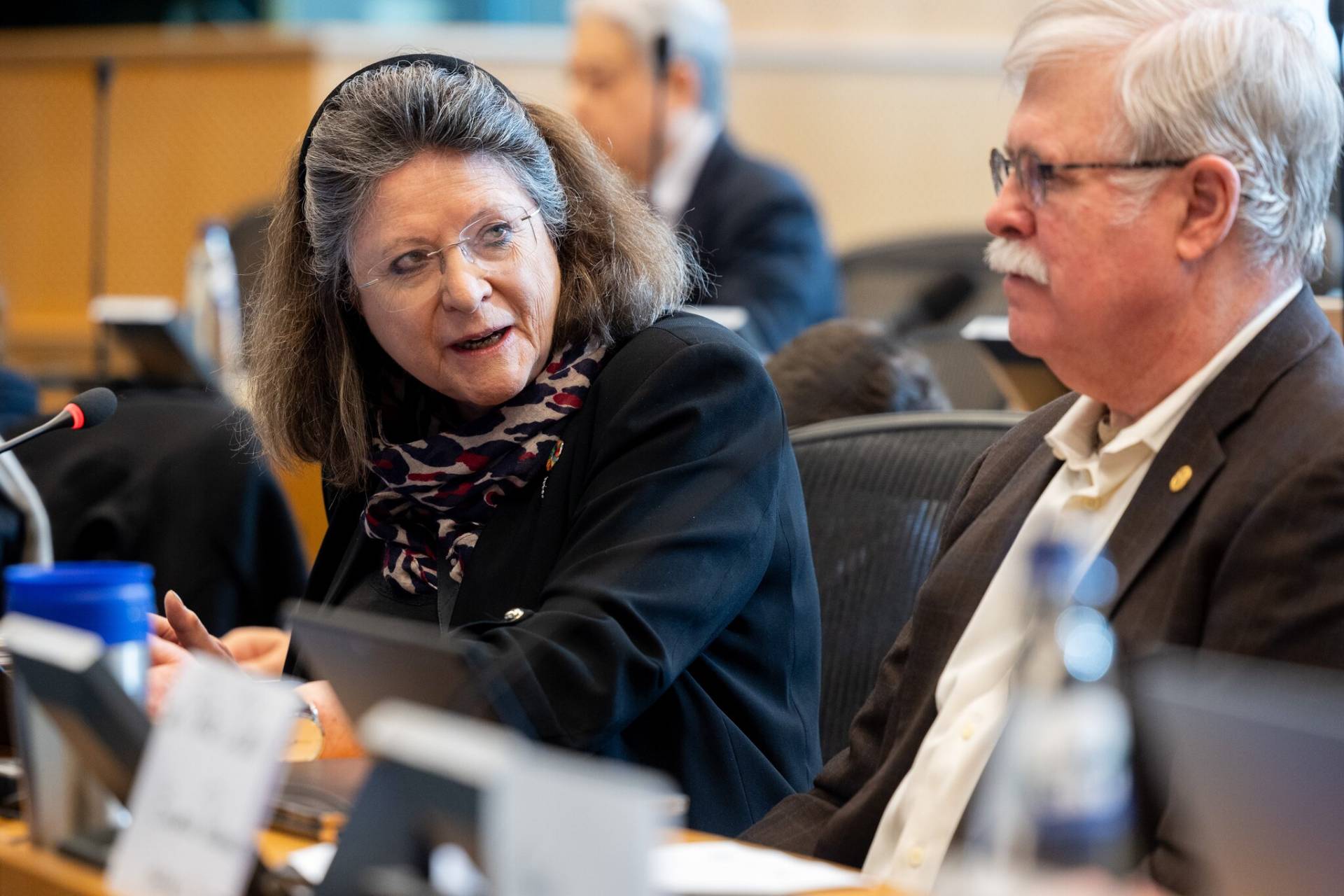
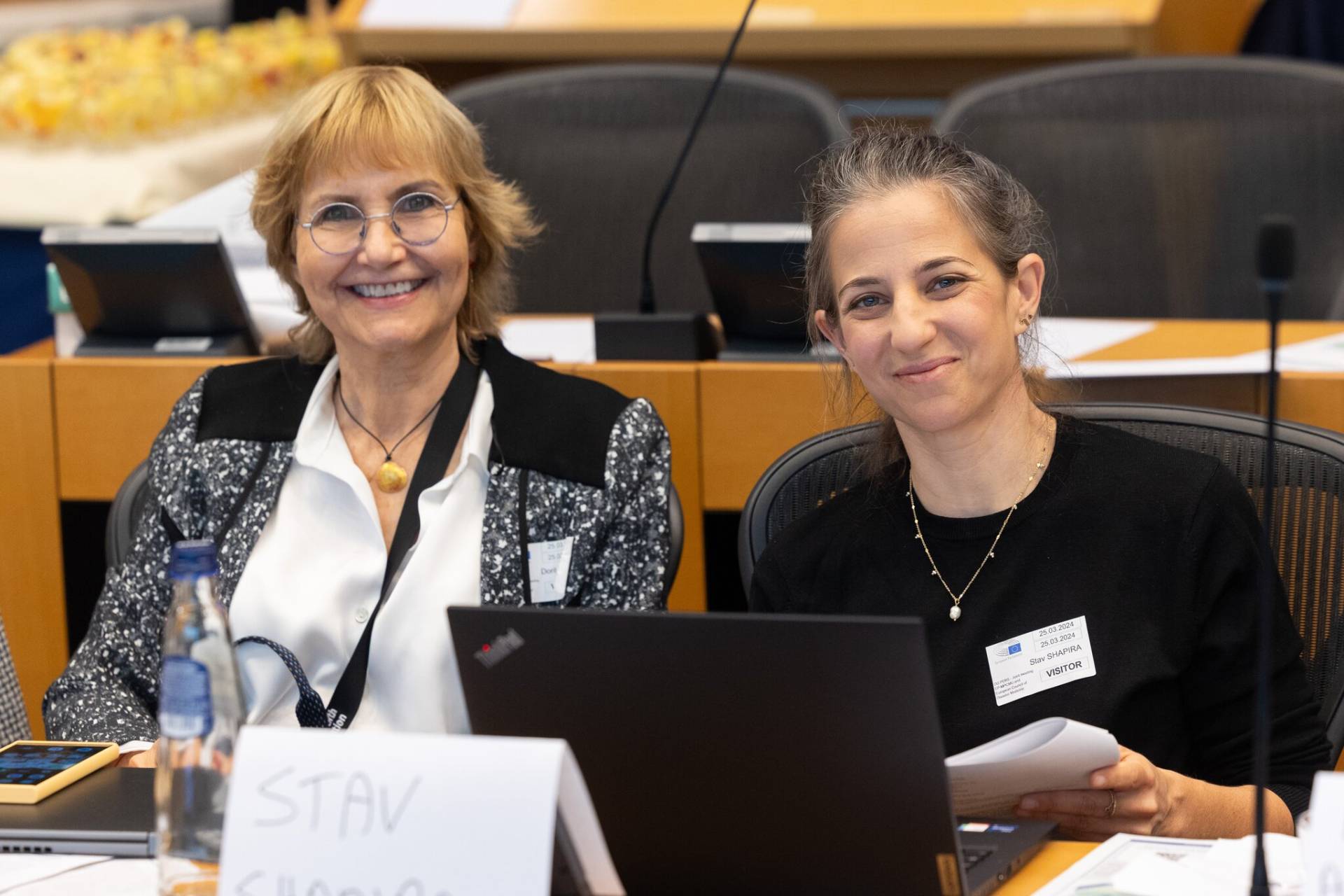
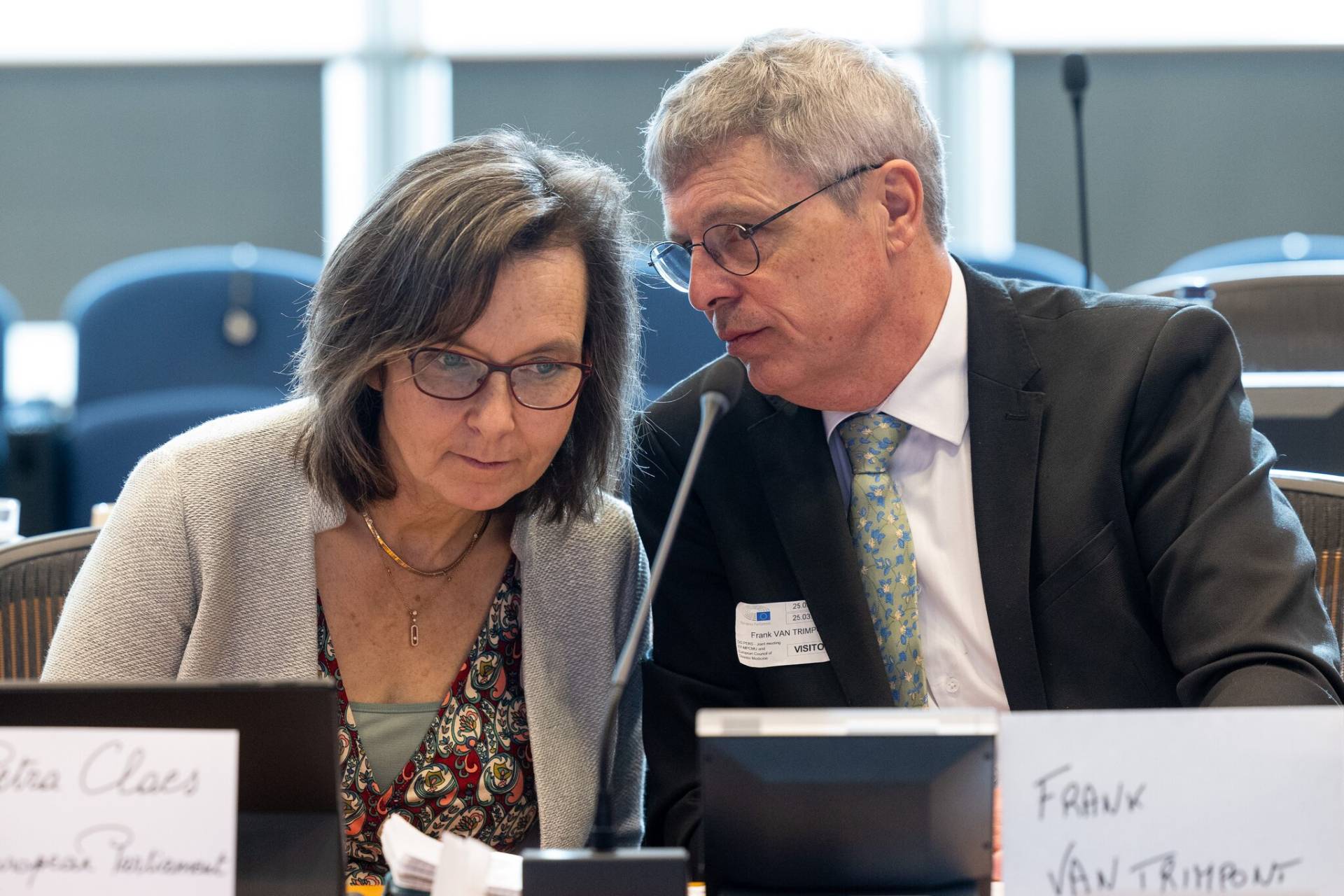
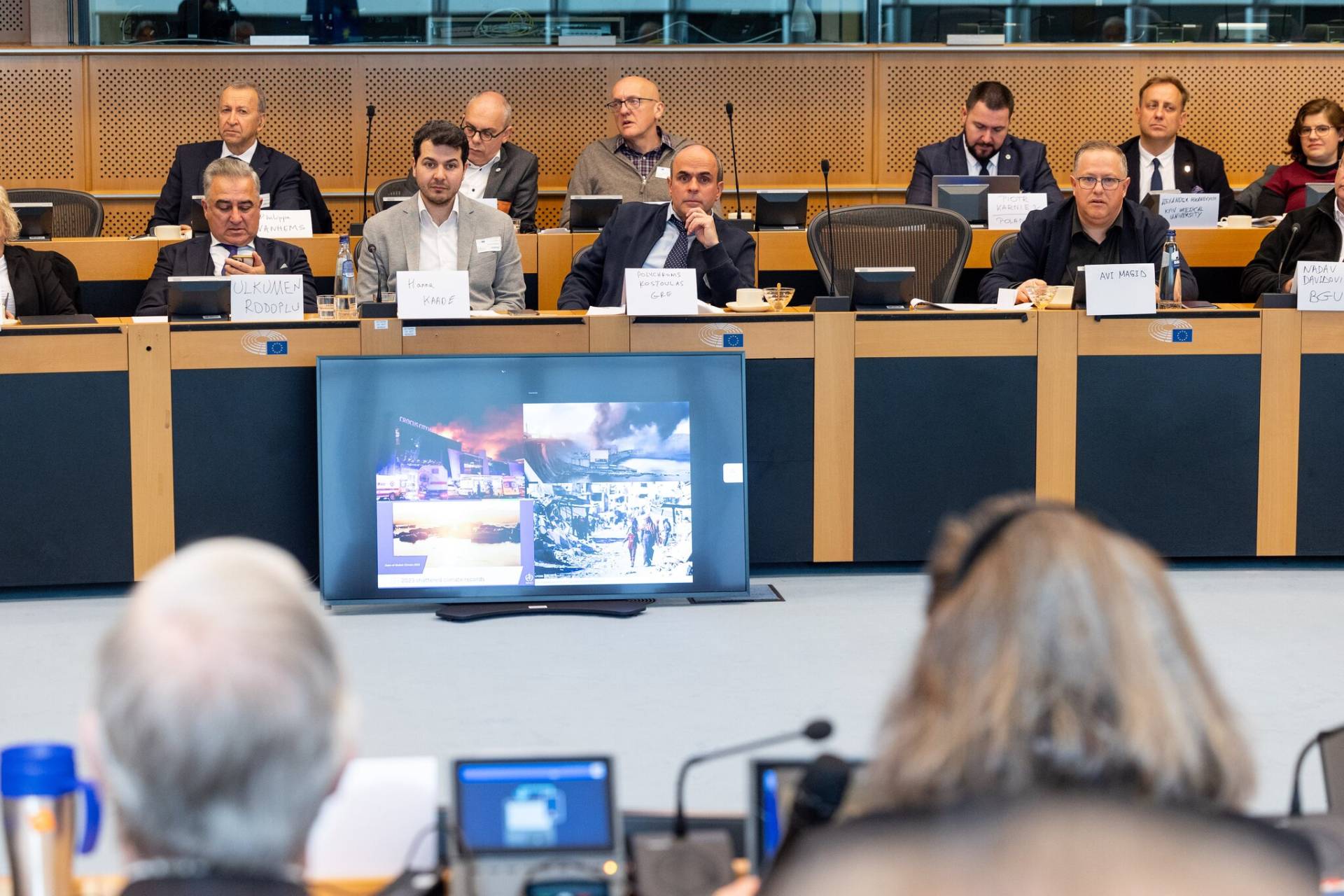
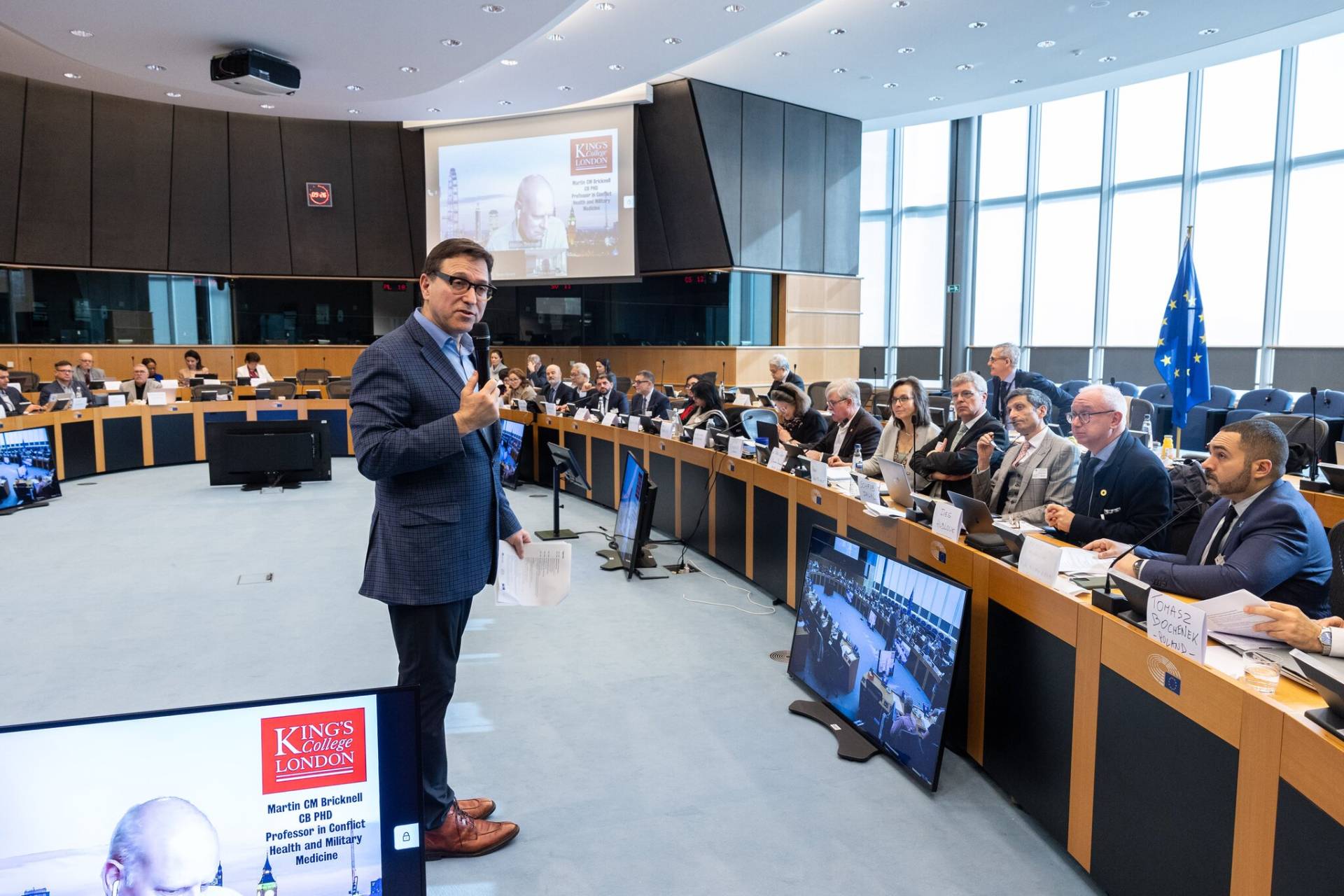
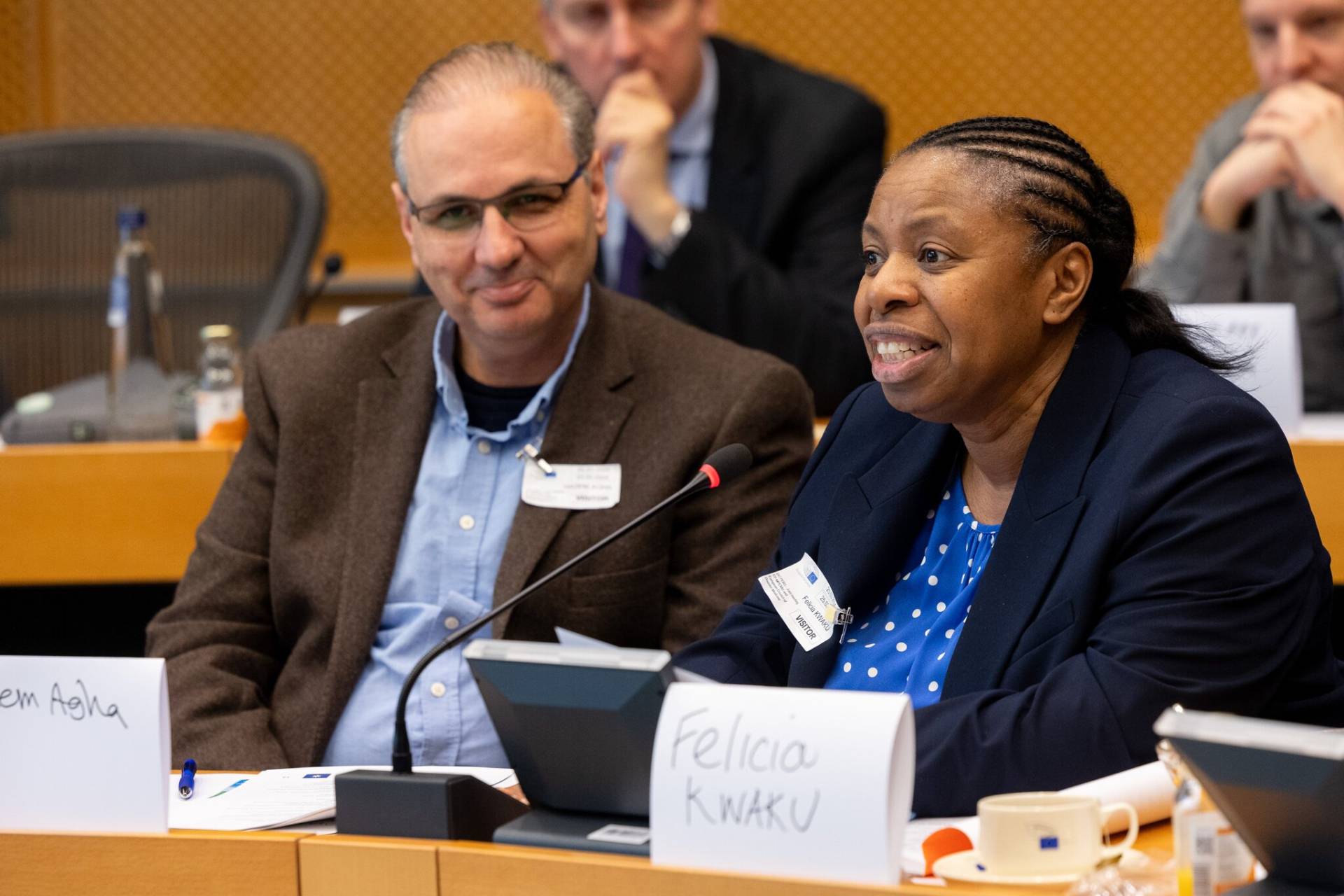
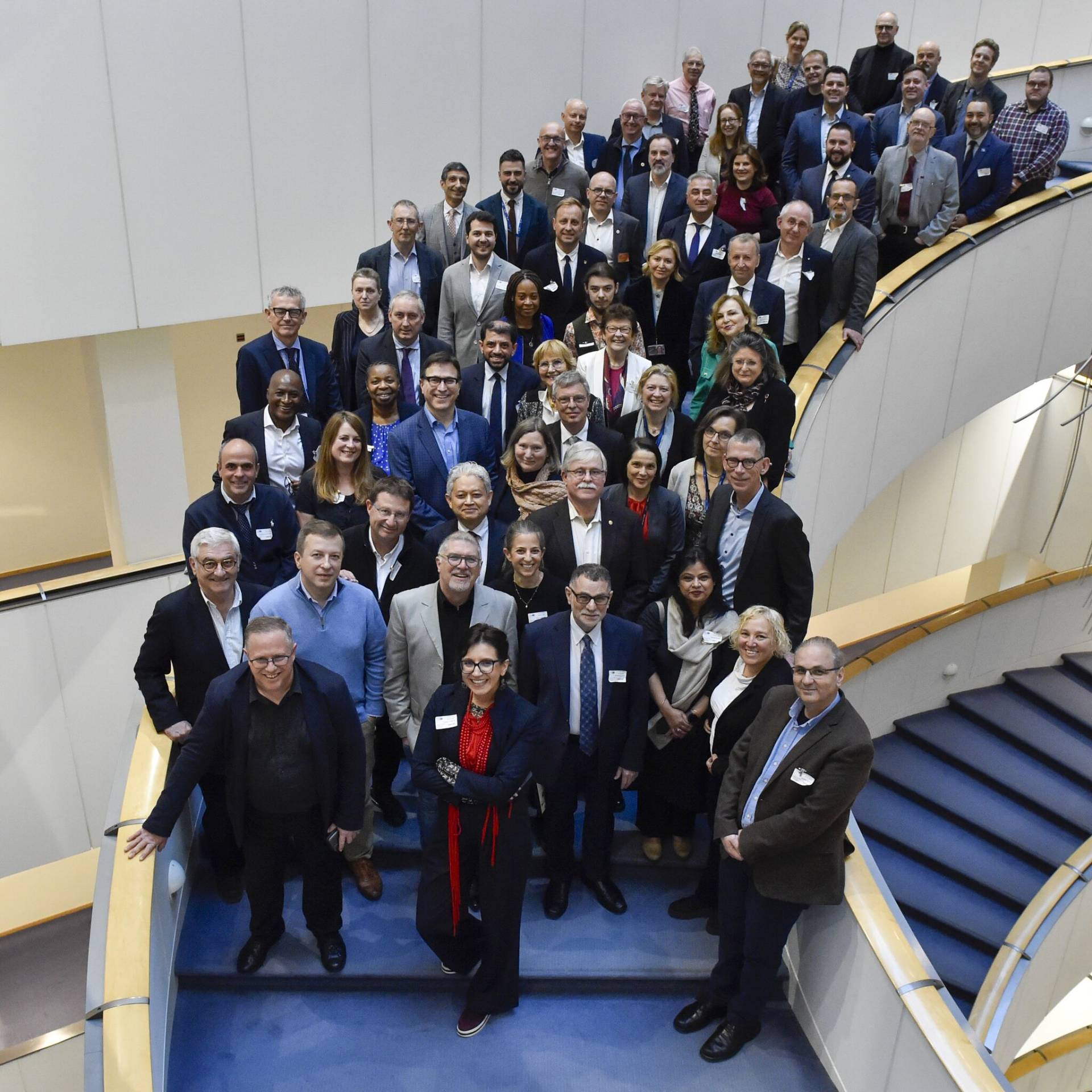
Brussels - 25 March 2024
Enhancing European Public Health Preparedness, Prehospital, and Disaster Medicine
Test
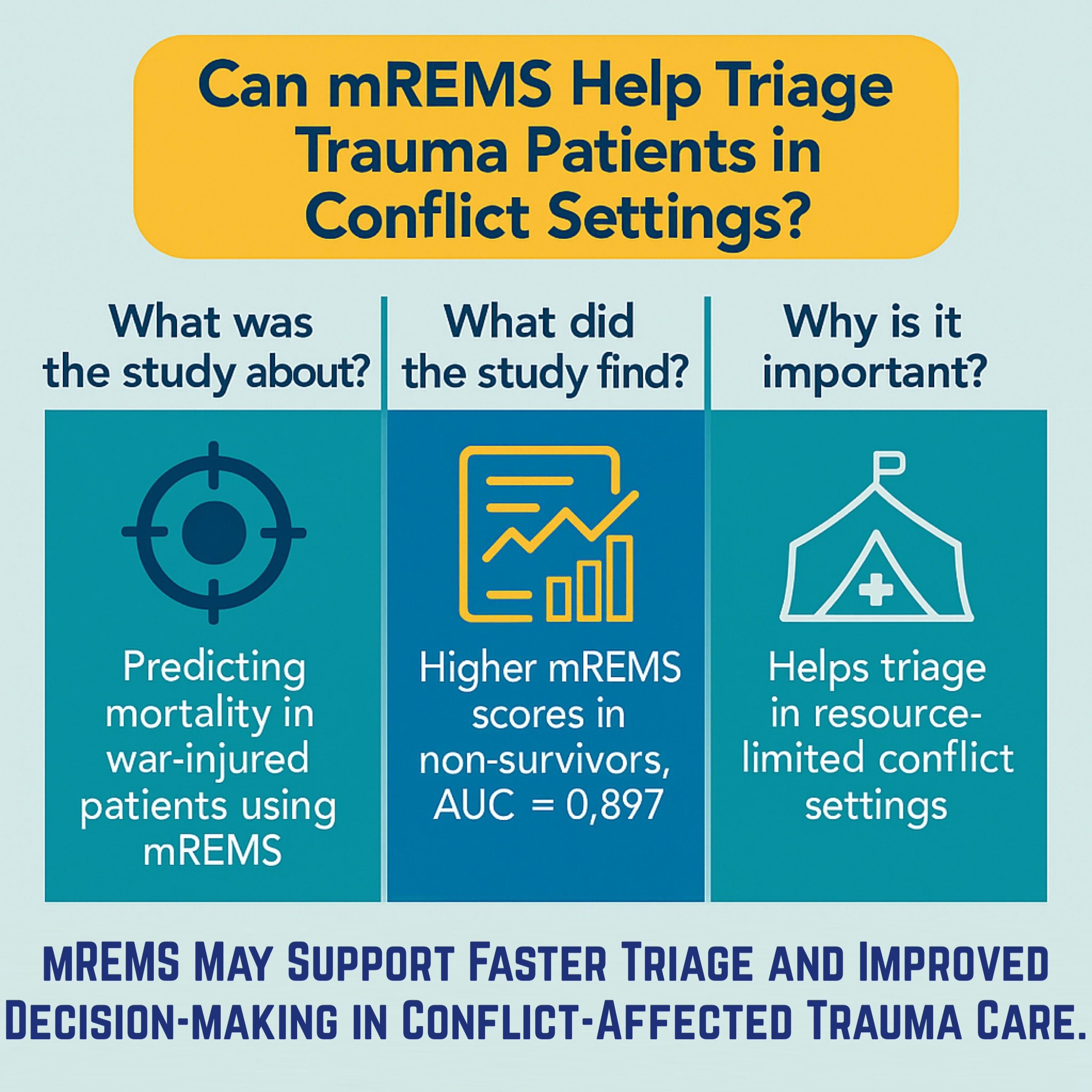
This article examined whether a tool called the modified Rapid Emergency Medicine Score (mREMS) could help emergency doctors quickly identify trauma patients who are at high risk of dying after being injured in the Syrian Civil War. The research analyzed medical data from over 5,400 patients—both adults and children—treated at a hospital near the Syrian–Turkish border between 2012 and 2016.
The primary focus was on adult patients. Researchers examined vital signs, including heart rate, blood pressure, and level of consciousness, to calculate mREMS scores. They found that patients who died had much higher scores than those who survived. In fact, mREMS showed excellent ability to predict which patients were more likely to die after arriving at the hospital.
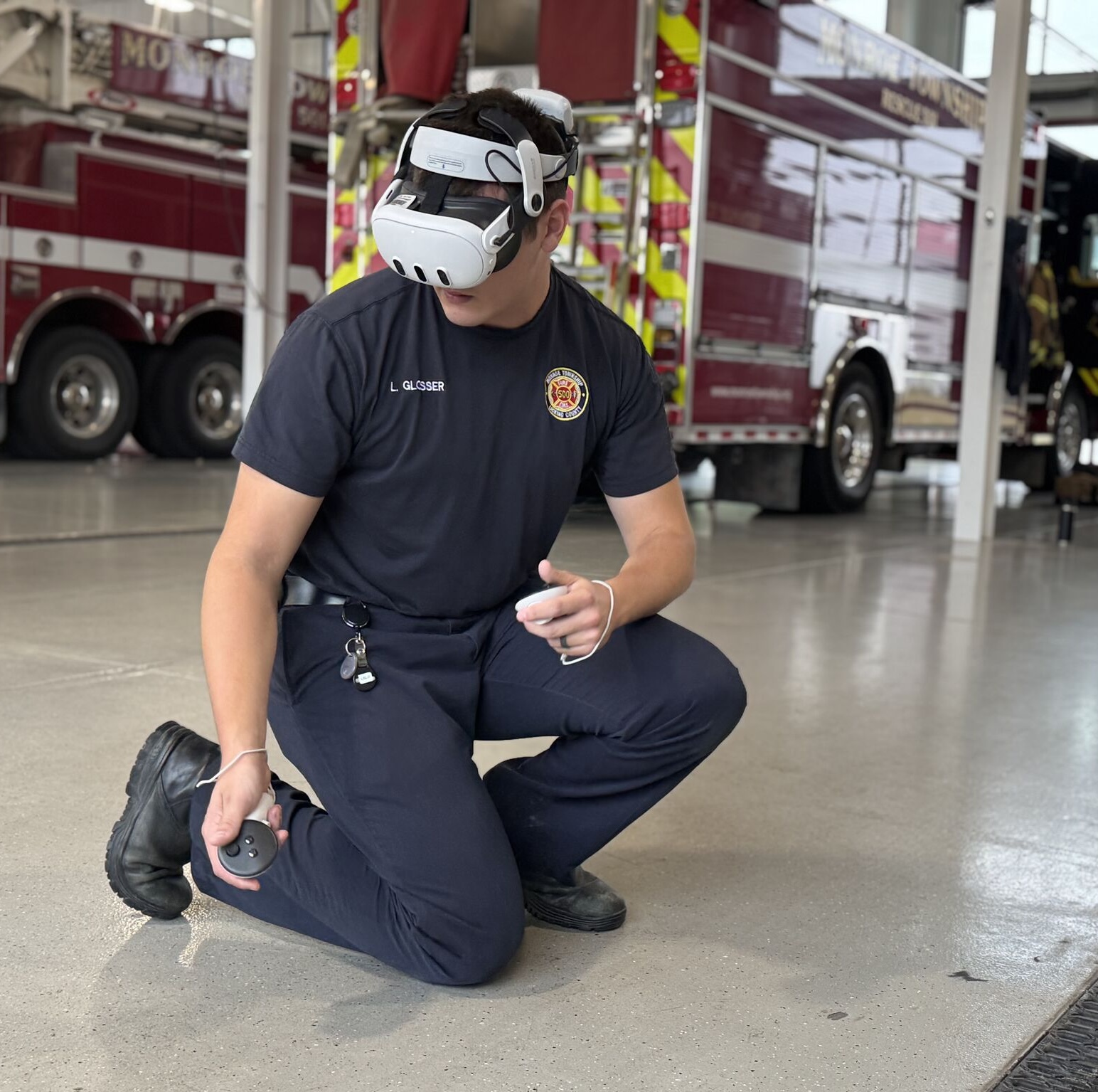
This study explored how virtual reality (VR) can help aid in training emergency responders in two critical areas: hemorrhage control and mass casualty triage using the SALT method. Researchers compared prehospital professionals (paramedics) with in-hospital teams (ER staff) using immersive VR simulations to assess their performance.
The results? Prehospital responders were faster and more accurate in triage decisions, while both groups showed similar skills in controlling bleeding. Participants found the VR experience to be realistic and valuable for training, highlighting its potential to enhance disaster preparedness across multiple health care settings.
The Prehospital and Disaster Medicine (PDM) Editorial Team is pleased to announce a forthcoming special collection dedicated to “Evidence-Based Artificial Intelligence in Prehospital and Disaster Medicine.” The journal invites the submission of original, evidence-based research articles that explore the application of artificial intelligence within these critical fields.
All submissions must follow the PDM Instructions for Authors and conform to the formatting and content requirements for either the Original Research or Innovation Report article types. Please note the following exclusions: this collection will not consider expert opinions, frameworks, editorials, review articles, calls for action, or commentaries.
All submissions must follow the PDM Instructions for Authors and conform to the formatting and content requirements for either the Original Research or Innovation Report article types. Please note the following exclusions: this collection will not consider expert opinions, frameworks, editorials, review articles, calls for action, or commentaries.
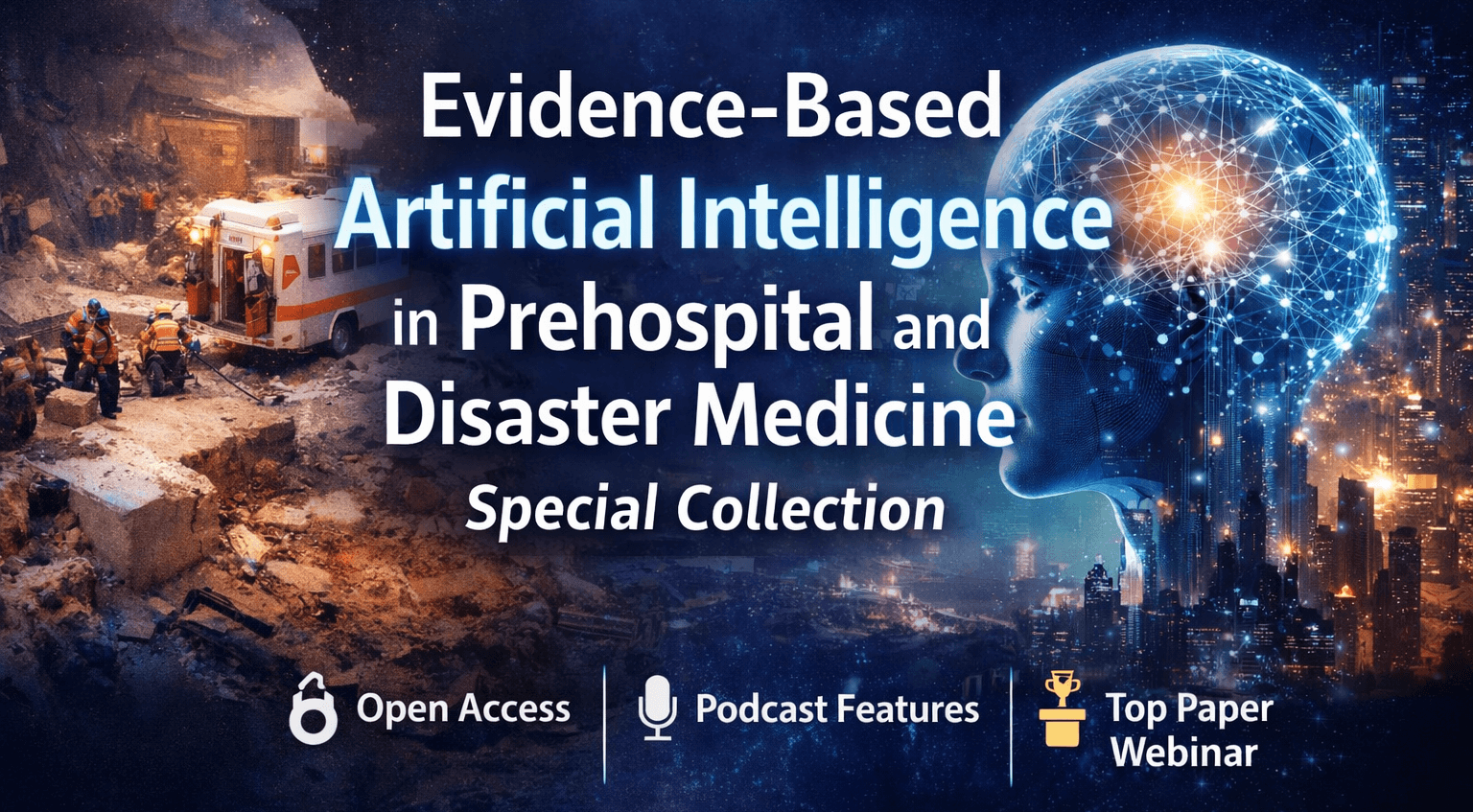
The primary mission of the journal is to publish innovative, high-impact, evidence-based research in both prehospital and disaster medicine. All manuscripts will undergo our standard peer-review process, as detailed on the journal’s website, and must adhere to the ethical guidelines outlined therein.
An international panel of judges will evaluate selected manuscripts. All selected articles will receive a temporary, free-of-charge open-access publication. The top three selected manuscripts will be featured in exclusive podcast interviews published on the WADEM website and social media channels. Authors of the first-place manuscript will be invited to give a webinar about their project, sponsored by PDM and WADEM.
Submissions are currently open and will be accepted on an ongoing basis. Articles will be published on a rolling basis in accordance with the standard PDM schedule. We eagerly anticipate your high-impact contributions to this rapidly evolving field.
Questions about the special collection can be addressed to the PDM Editorial Team:
Last Updated – 12 January 2026
WADEM would also like to acknowledge the special sessions organized by the ARCH Project, WHO Kobe Centre, Kyoto University, Tohoku University, International Committee of the Red Cross (ICRC), World Society of Disaster Nursing, Prof. Jeffrey Franc, and New Orleans EMS and University Medical Center Trauma Center. These sessions greatly contributed to the scientific program.
WADEM would especially like to thank all the delegates, many of whom traveled long distances, for joining us in Tokyo! The wide variety of professions and nationalities represented truly makes the congress a memorable event.
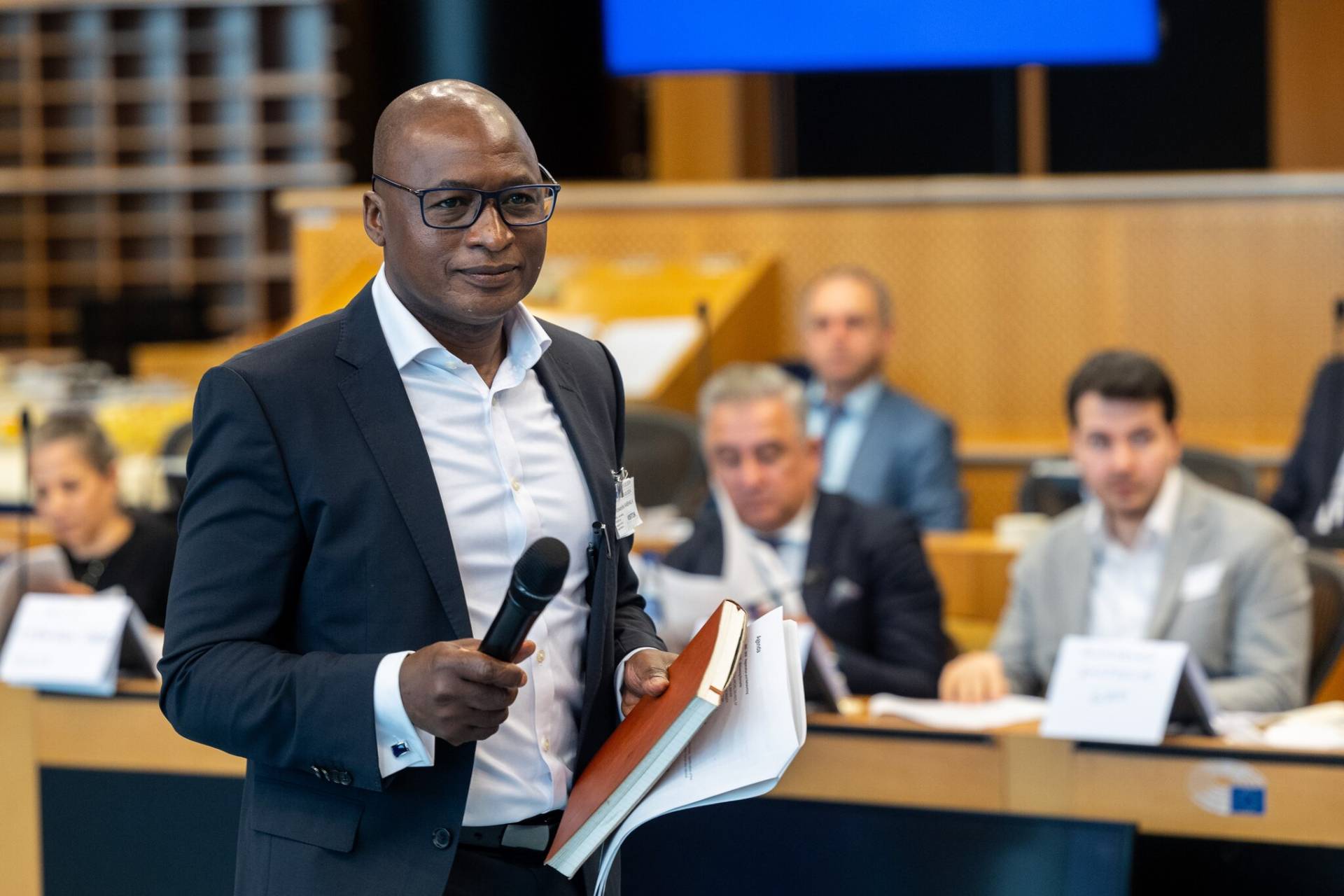



The colloquium aimed to seek consensus from professional associations, international organizations, expert stakeholders, and citizens on adaptive ways forward for the discipline to enhance existing public health curricula in the face of emerging threats. Public and global health are challenged by unprecedented population growth, human migration, urbanization, natural disasters, climate change, war and conflict, and novel disease emergence.