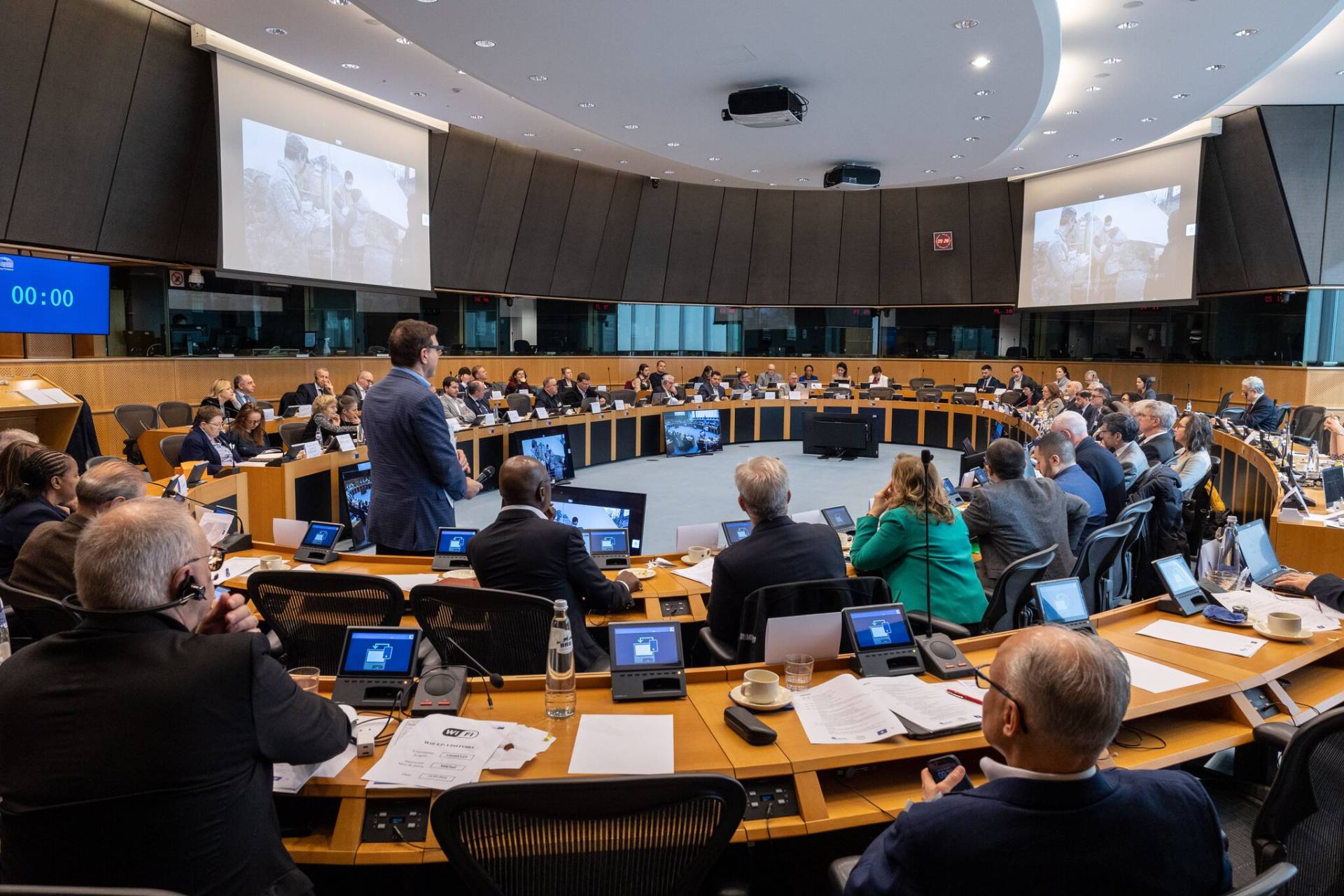
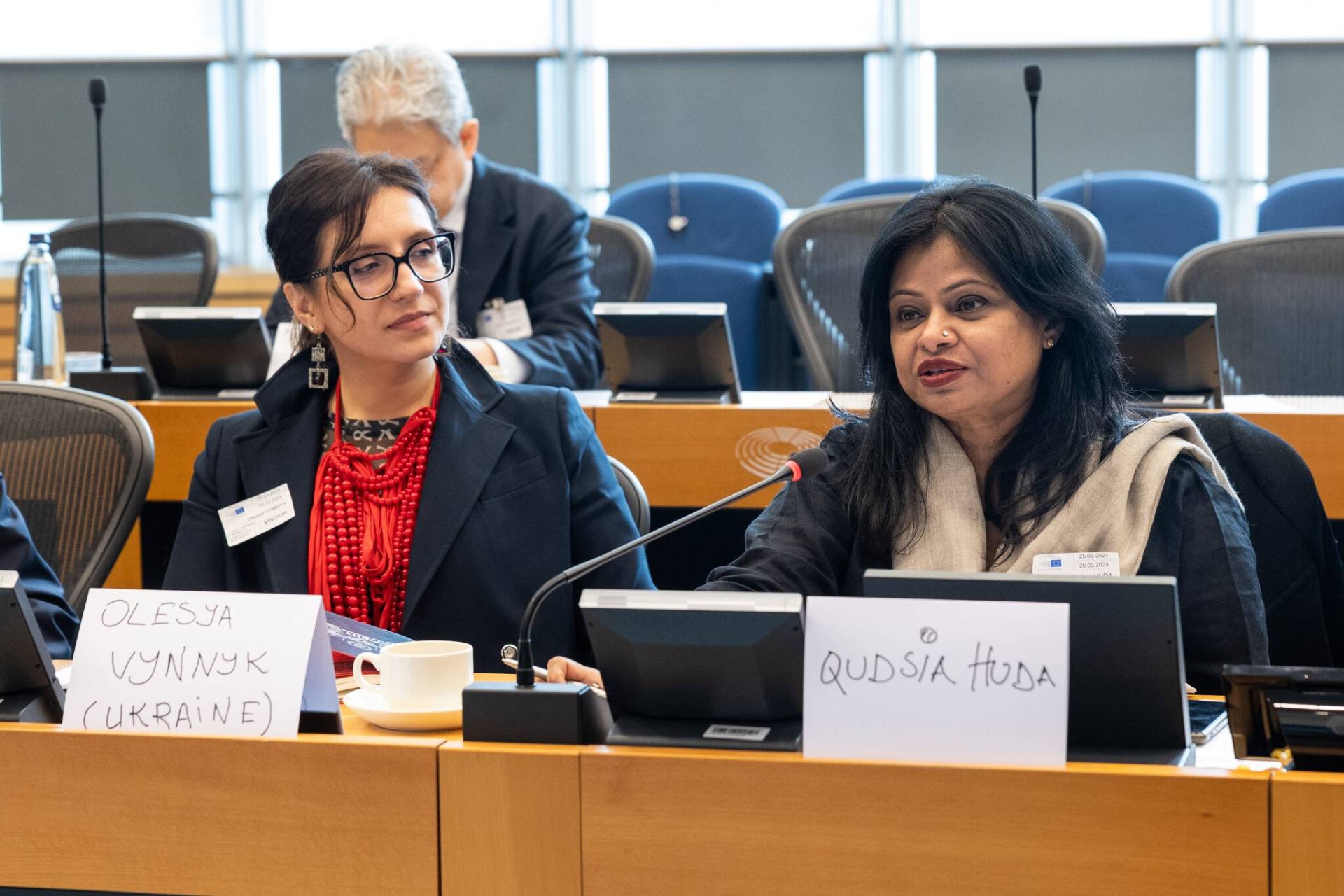
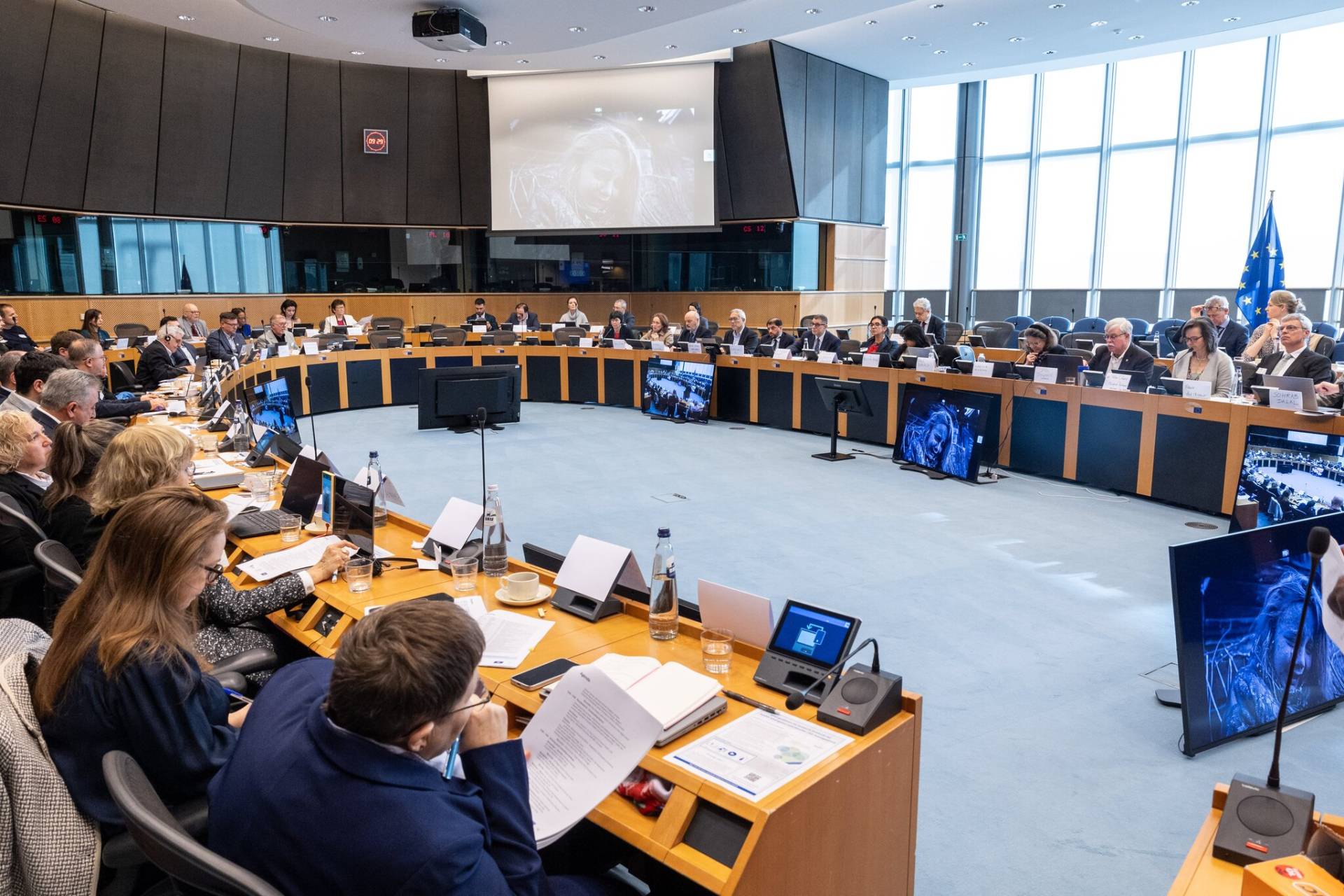
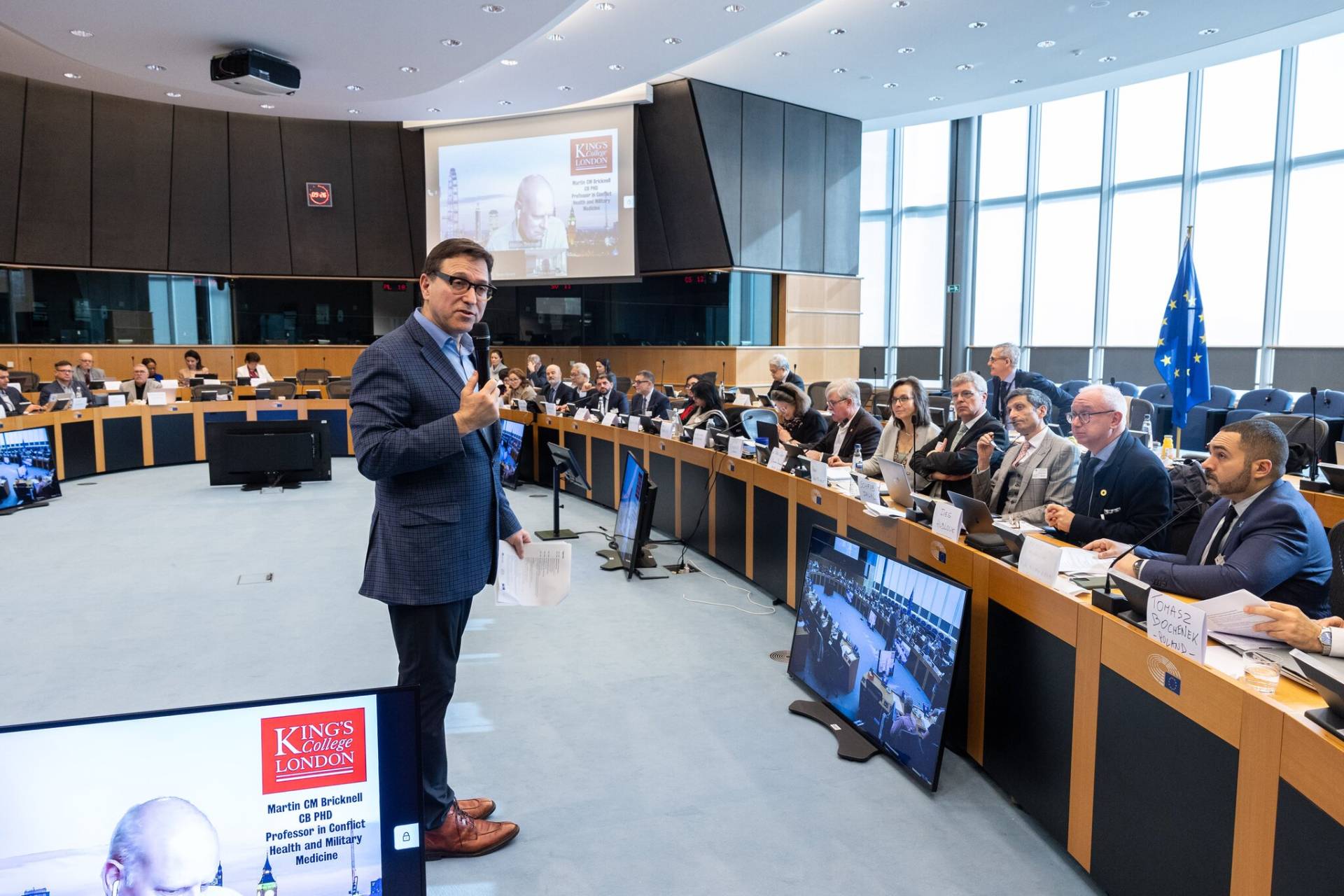
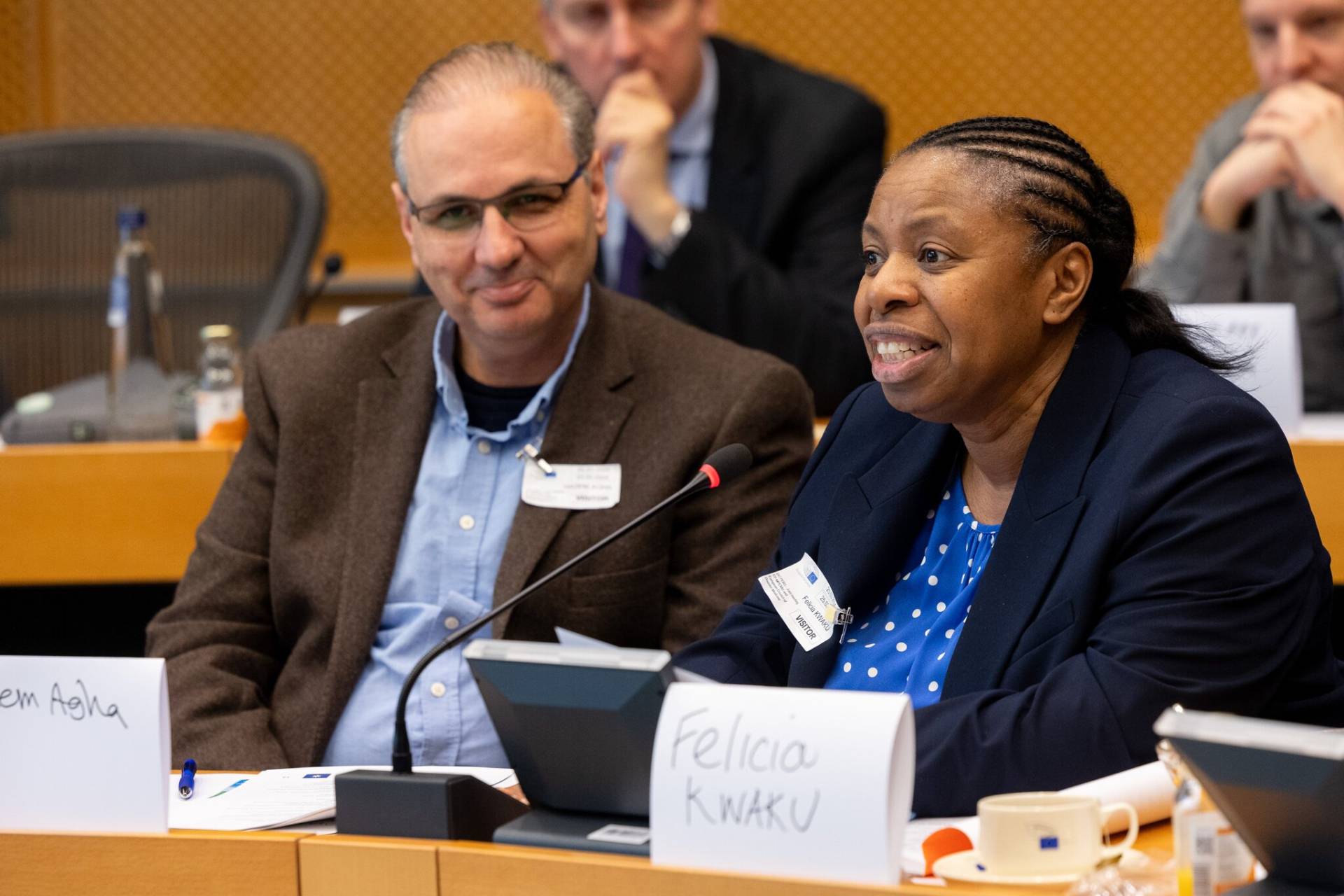
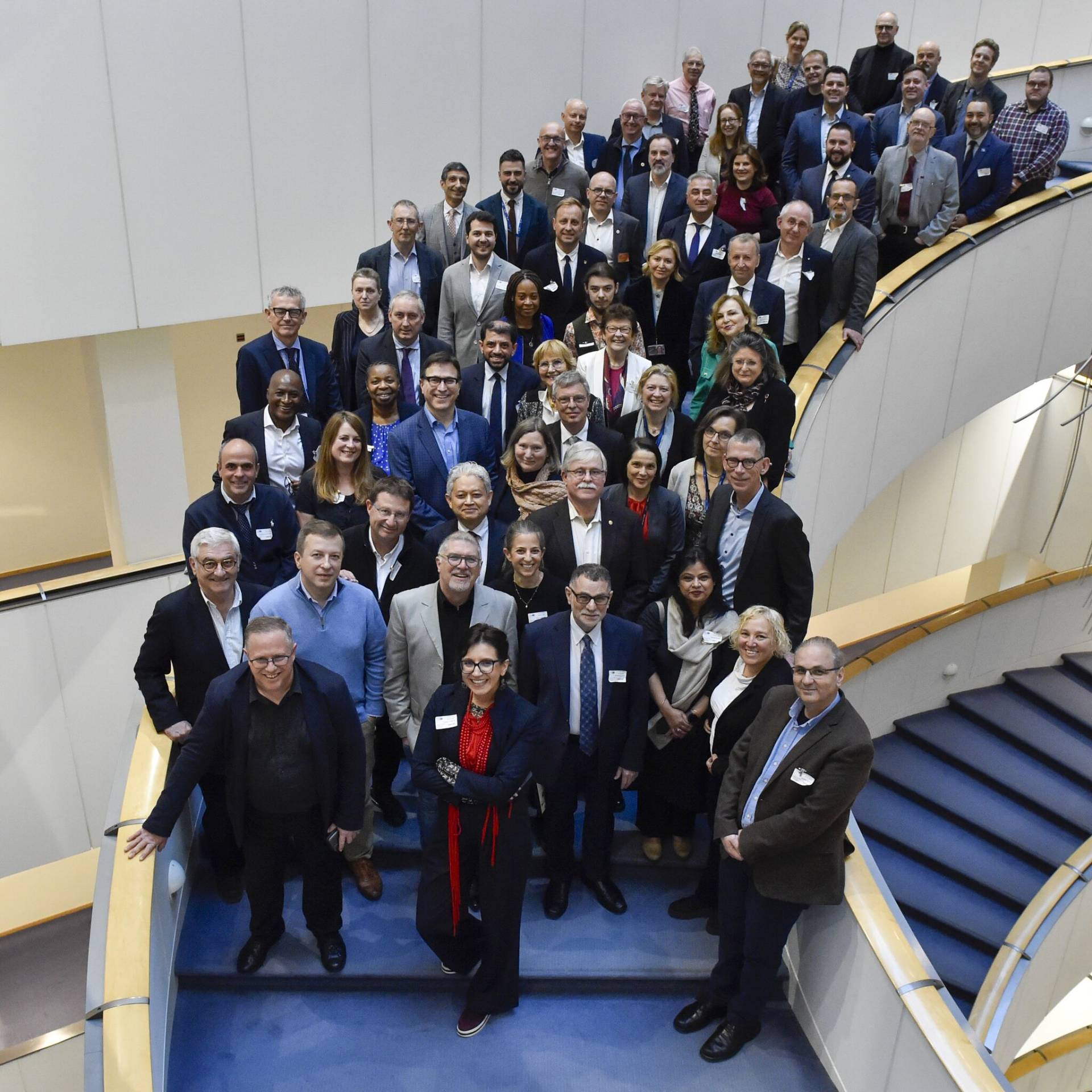
Brussels - 25 March 2024
Enhancing European Public Health Preparedness, Prehospital, and Disaster Medicine
Test
Share your research, reports, reviews, or policy proposals at the upcoming 24th Congress on Disaster and Emergency Medicine (WADEM 2027). Submissions are encouraged across 14 categories that represent a wide range of themes related to disaster medicine, prehospital care, and the health aspects of emergency management and complex humanitarian crises. Select abstracts presented at the congress will be published in an online supplement to WADEM’s journal, Prehospital and Disaster Medicine (PDM), on Cambridge Core. Abstracts must have a proper ethics determination to be published in PDM.
The congress theme is: Research, Relevance, Resilience: Enhancing performance in disaster and emergency medicine for communities, responders, and ecosystems.
The deadline to submit an abstract is 23:59 (CST – North America) on 1 November. For an abstract to be formally accepted, included in the program, and considered for publication in the supplement, the presenting author must be registered and paid to attend the Congress by 15 February 2027.
To submit an abstract for the congress, you will need to create an Oxford Abstracts (OA) account (if you do not already have one), or log in to OA using a LinkedIn or Google account. More information is available at the following link: https://wadem.org/congress/paris-2027/call-for-abstracts/.
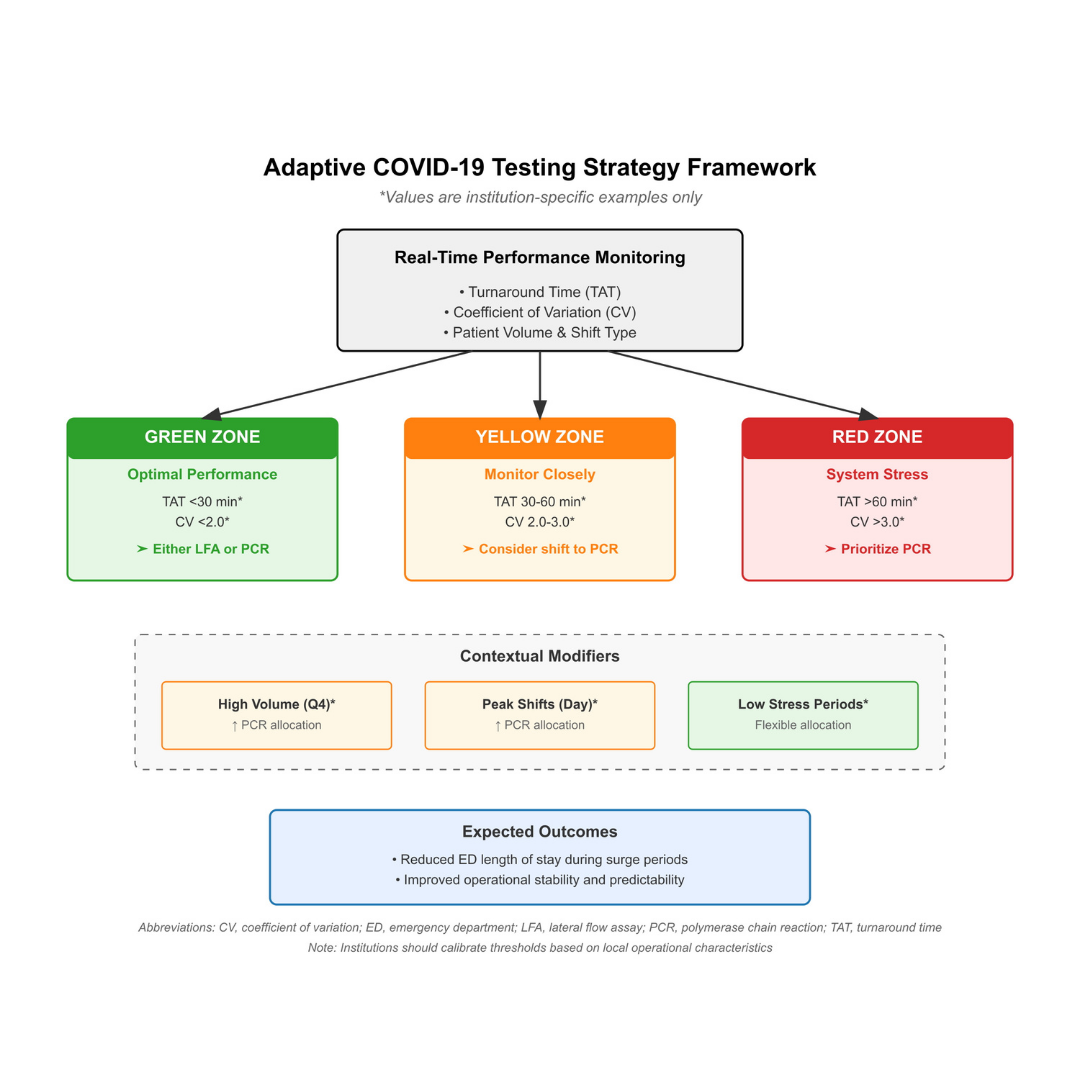
Capacity-Responsive COVID-19 Testing Performance in Emergency Departments: Turnaround Time Thresholds for Lateral Flow Assay and Polymerase Chain Reaction Strategies
The fastest test is not always the fastest system. During the COVID-19 pandemic, emergency departments often had to choose between rapid bedside tests (lateral flow assays) and laboratory PCR testing. Bedside tests provide results within minutes but rely on emergency department staff and space, whereas PCR takes longer but is processed by the laboratory. A study of more than 31,000 emergency visits in Taiwan found that the operational performance of these two strategies depended on system conditions. Read the full-text article…
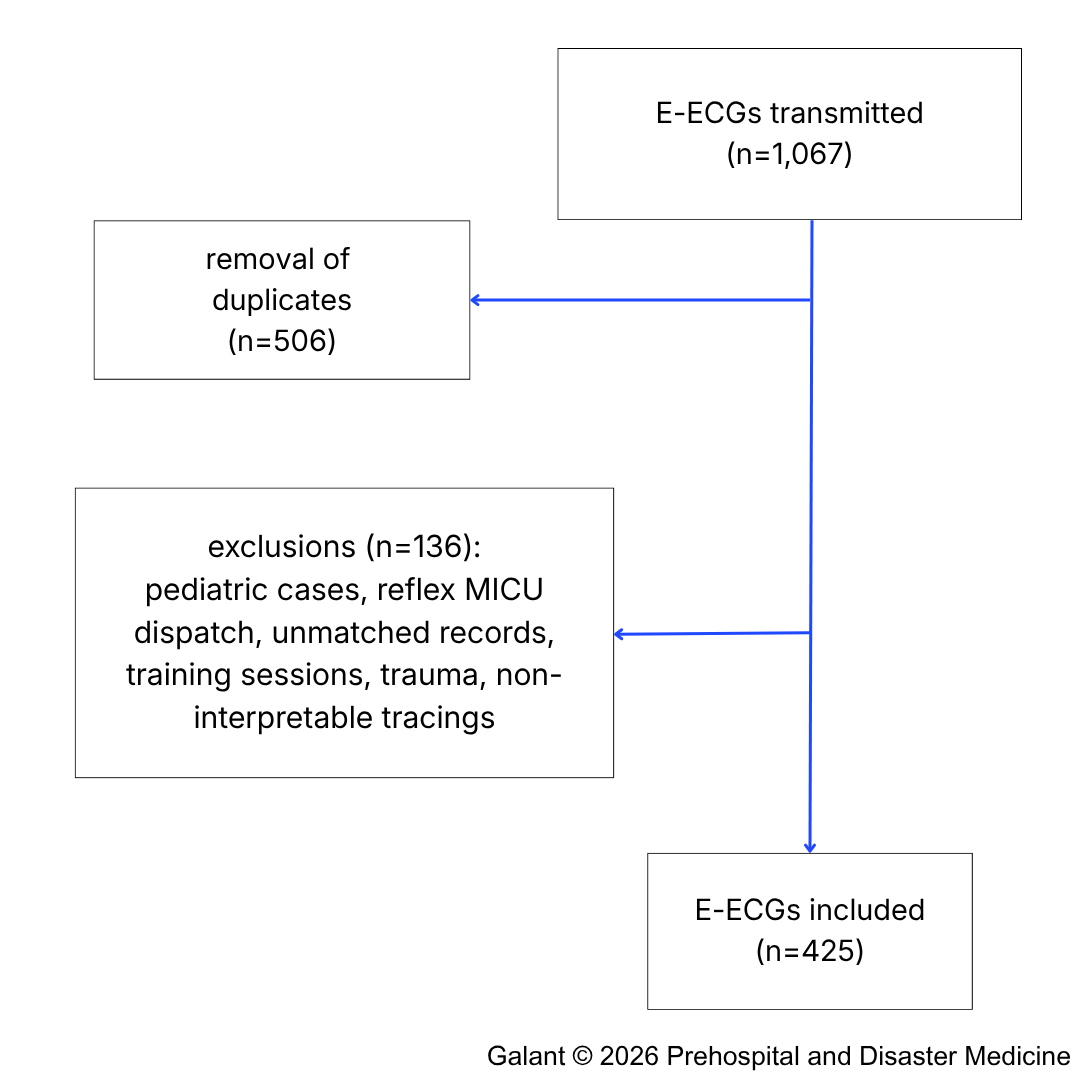
Early prehospital ECG teletransmission by firefighter first responders can provide emergency physicians with valuable diagnostic information before an advanced medical team arrives. A retrospective pilot study published in PDM evaluated the implementation of the MARS E-ECG teletransmission system within a physician-led emergency medical service in France. The system enabled dispatch physicians to remotely interpret ECGs recorded in the field, supporting earlier recognition of acute cardiac conditions.
Prehospital ECG teletransmission helped refine medical decision-making, adapt the level of prehospital resources when necessary, and facilitate earlier referral of selected patients to appropriate cardiac care pathways. Read the full-text article…
WADEM would also like to acknowledge the special sessions organized by the ARCH Project, WHO Kobe Centre, Kyoto University, Tohoku University, International Committee of the Red Cross (ICRC), World Society of Disaster Nursing, Prof. Jeffrey Franc, and New Orleans EMS and University Medical Center Trauma Center. These sessions greatly contributed to the scientific program.

WADEM would especially like to thank all the delegates, many of whom traveled long distances, for joining us in Tokyo! The wide variety of professions and nationalities represented truly makes the congress a memorable event.




The colloquium aimed to seek consensus from professional associations, international organizations, expert stakeholders, and citizens on adaptive ways forward for the discipline to enhance existing public health curricula in the face of emerging threats. Public and global health are challenged by unprecedented population growth, human migration, urbanization, natural disasters, climate change, war and conflict, and novel disease emergence.
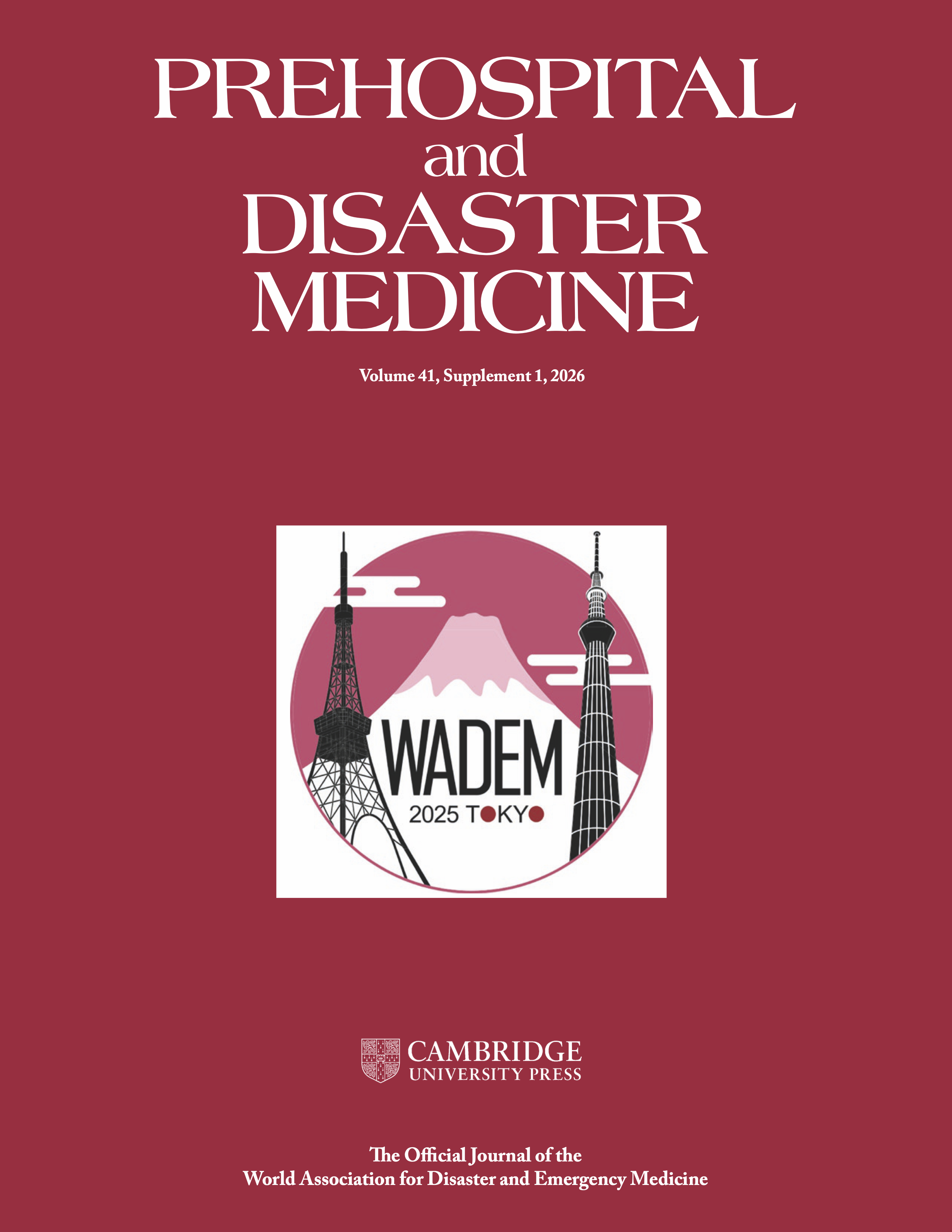
The abstracts supplement from the 23rd Congress on Disaster and Emergency Medicine in Tokyo is now available online on Cambridge Core!
Check out the abstracts from the oral and lightning presentations, plenaries, roundtable discussion, and posters: https://www.cambridge.org/core/journals/prehospital-and-disaster-medicine/issue/64B82FC105326430964FA46847985C24.